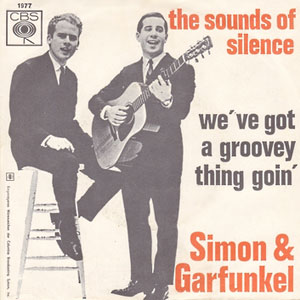
A really lovely song; short and sweet with a simple structure; but dense with chords and lyrics. Not an easy song to write I would imagine, but totally do-able and refreshingly different from standard formulas.
Here's the most basic overview of the structure:
-V1
(key change)
-V2
(two quick key changes)
-Breakdown
-Refrain to fade out
So let's call that three formal sections with the first two (V1 and V2) being, musically, a repeat only with different lyrics, and the last section starting with the breakdown but evolving into a continually building repetition of a 4 bar phrase extracted from earlier in the song.
Here's the first verse broken into two sections:
V1
section a
"Whenever I see your smiling face, I have to smile myself
Because I love you, yes, I do. (here's where that awesome guitar riff happens)
And when you give me that pretty little pout, It turns me inside out.
There's something about you, baby, (again that guitar riff happens here)
I don't know.
section b
Isn't it amazing a man like me (melody goes higher here, kinda like most pre-
Can feel this way, choruses in most songs, but is this a chorus?)
Tell me how much longer,
It could grow stronger every day.
Oh, how much longer?" (here, there's a smooth transition back into the intro riff that
hurls us forward into a key change and the second verse)
hurls us forward into a key change and the second verse)
So, the next thing we hear is V2, but usually there is a chorus before V2. Where is the chorus? I don't hear a traditional chorus with the song title and main message of the song, do you? So, look back at V1 and find the spots you find most memorable. For me, it's the second and fourth line of the first section of the verse (the guitar riff I keep pointing out. Notice that it's also a change of feel).
V2
section a
"I thought I was in love a couple of times before with the girl next door,
But that was long before I met you, (guitar riff)
Now I'm sure that I won't forget you.
And, I thank my lucky stars that you are who you are,
And not just another lovely lady (guitar riff)
Set out to break my heart.
section b
Isn't it amazing a man like me (varies the melody slightly here)
Can feel this way,
Tell me how much longer,
It could grow stronger every day."
Ok, so, section b is exactly the same in V1 and in V2, but for me, it's still not a proper chorus. It's memorable and we here it at the end of each verse, but we don't hear it again after the upcoming breakdown. To me, it's just the end or second half of the verse. The song up to this point is strophic; a lot like "Sound of Silence" by Simon and Garfunkel (see past post for insights from that song). Each verse has a strong, arched structure with the high note in the middle and memorable melodies and chord progressions throughout, but that's it. That isn't to say it's easy to do; it's actually extremely difficult. Sometimes a cool, big, or dramatic chorus can be a crutch for a boring verse. In this song, every line is memorable and cohesive with the line before and after it.
…again with the intro riff, two key changes this time, and we come into the...
Breakdown and Refrain
-The chords are from earlier (this is key for keeping the song cohesive)
-The melody is very similar to a couple parts of the verse but not exactly the same
-The lyrics are new but they also contain the title of the song in some form or variation (in bold below).
"No one can tell me that I'm doing wrong today, whenever I see you smile at me.
No one can tell me that I'm doing wrong today (my favorite guitar riff back in)
Whenever I see your smiling face my way.
No one can tell me that I'm doing it wrong today.
No one can tell me that I'm doing it wrong today."
That continues until the fade out. Once again, look at the basic structure:
-V1
(key change)
-V2
(two quick key changes)
-Breakdown
-Refrain to fade out
The secret is making each verse memorable the whole way through (strong, arched structure with the high note in the middle and memorable melodies and chord progressions throughout).
What are the most hook-like or memorable parts of the verse TO YOU? The answer to that question will help you write your own songs that you will be proud of and that will sound unique to your own voice and style.
Happy songwriting!
-Jonathan
What are the most hook-like or memorable parts of the verse TO YOU? The answer to that question will help you write your own songs that you will be proud of and that will sound unique to your own voice and style.
Happy songwriting!
-Jonathan